
Key Takeaways: The best dumbbell sets for home gyms balance versatility, space efficiency, grip comfort, and long-term durability. Adjustable sets are ideal for compact rooms, while full fixed-weight sets still appeal strongly to serious lifters and multi-user households. For retailers and sourcing teams, dumbbells remain one of the most dependable categories in home fitness.
Dumbbells are one of the few categories in fitness equipment that rarely go out of relevance. They are easy to understand, easy to merchandise, and useful across strength training, conditioning, rehabilitation, and general wellness routines. That matters for home users trying to build an efficient workout space, but it also matters commercially for brands and distributors looking for products with broad market appeal and repeat demand.
Why dumbbell sets remain essential in home gyms
A home gym does not need a large footprint to be effective, and that is one reason dumbbells remain a category leader. They support upper-body work, lower-body training, unilateral movements, accessory lifts, and even circuit-based conditioning. In other words, they offer a very high training return relative to the amount of space they take up.
For buyers, that flexibility is a major advantage. A single dumbbell setup can cover beginners who need basic strength work, experienced users who want targeted accessory training, and families sharing a compact training area. For retailers, that wide usability helps make dumbbell sets easier to market than more specialized equipment.
The top dumbbell set categories worth considering
Instead of looking only at brand names, it is often more useful to think about dumbbell sets by product type and customer need. The strongest-selling options usually fall into a few clear groups: lighter progressive sets for beginners, full fixed-weight sets with racks for serious home gyms, and adjustable systems for space-limited users who still want a broad training range.
| Dumbbell Set Type | Main Advantage | Best Buyer Fit |
|---|---|---|
| 5–25 lb Fixed Set | Simple progression and low space needs | Beginners and light training |
| Full Set with Rack | Wide range and organized storage | Serious home gyms and multi-user spaces |
| Adjustable Dumbbells | Maximum versatility in minimal space | Apartment and e-commerce demand |
Buyer Insight: Adjustable dumbbells often win on convenience, but full fixed sets still hold stronger appeal among advanced users who value fast weight changes, long-term durability, and a more premium training feel.
What to look for before buying a dumbbell set
Not all dumbbells deliver the same experience, even when their listed weight range looks similar. Grip diameter, finish quality, handle ergonomics, tolerance accuracy, storage format, and adjustment speed can all change how a product feels in actual use. The difference between a good dumbbell set and a frustrating one is often in those practical details.
- Weight range should match the user’s training level today while still allowing room to progress over time.
- Grip comfort and handle texture matter because poor ergonomics reduce confidence and training consistency.
- Storage design affects daily convenience, especially in small apartments or shared rooms.
- Build quality, coating durability, and mechanism reliability shape both safety and long-term value perception.
How pricing differs across dumbbell categories
Dumbbell pricing varies widely depending on material, coating, packaging, and whether the system is fixed or adjustable. Basic neoprene or vinyl options can work well for entry-level users and group fitness routines, while cast iron or steel-based sets tend to deliver better durability and a more serious training feel. Adjustable systems usually cost more upfront, but they often replace several pairs of weights and reduce storage requirements dramatically.

A practical checklist for choosing the right set
The best buying decisions come from matching the dumbbell set to the real user and workout environment. A household that wants a sleek, space-saving system will value different features than a garage gym user who cares most about heavy loading and durability. Being clear about the use case avoids overspending on the wrong format.
- Define the training style first, such as general fitness, progressive strength, rehab work, or household multi-user use.
- Choose between fixed and adjustable formats based on available space, workout pace, and desired weight range.
- Review material quality, coating type, and grip feel because these affect both performance and product satisfaction.
- Compare total ownership value, including storage, longevity, shipping practicality, and how well the set supports future progression.
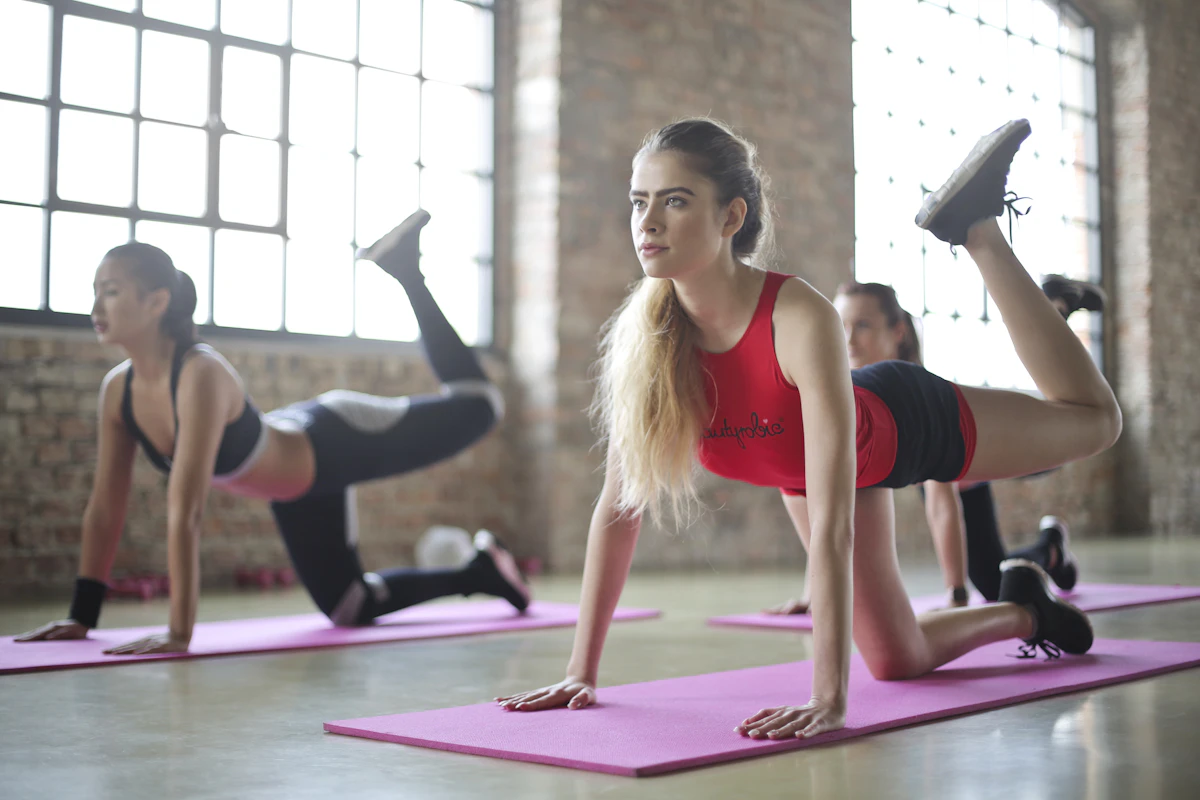
Why dumbbell sets are still a strong category for retail and sourcing
Dumbbells continue to perform because demand is consistent and easy to understand. Consumers know what they are for, they are visually simple to market, and they can be bundled with benches, mats, racks, or resistance accessories without much friction. For private-label brands, there is also room to differentiate through color, packaging, grip texture, rack design, and finish quality.
- They serve both beginner and advanced segments, which widens the total addressable market.
- They are easy to position in digital marketing because the use case is immediate and highly visual.
- They pair well with adjacent home fitness products, creating natural bundle and upsell opportunities.
References
1. World Health Organization (WHO) — Physical activity recommendations and public health guidance supporting regular strength-based exercise.
2. American College of Sports Medicine (ACSM) — Consumer fitness trend reporting and exercise guidance relevant to home training behavior.
3. Health, Racquet & Sportsclub Association (IHRSA) — Industry insights on fitness participation and market demand patterns across training categories.
Looking to source dumbbell sets that fit today’s home fitness demand?
We help brands, distributors, and retailers develop dumbbell ranges that balance quality, market appeal, and commercial practicality.
Request Catalogue