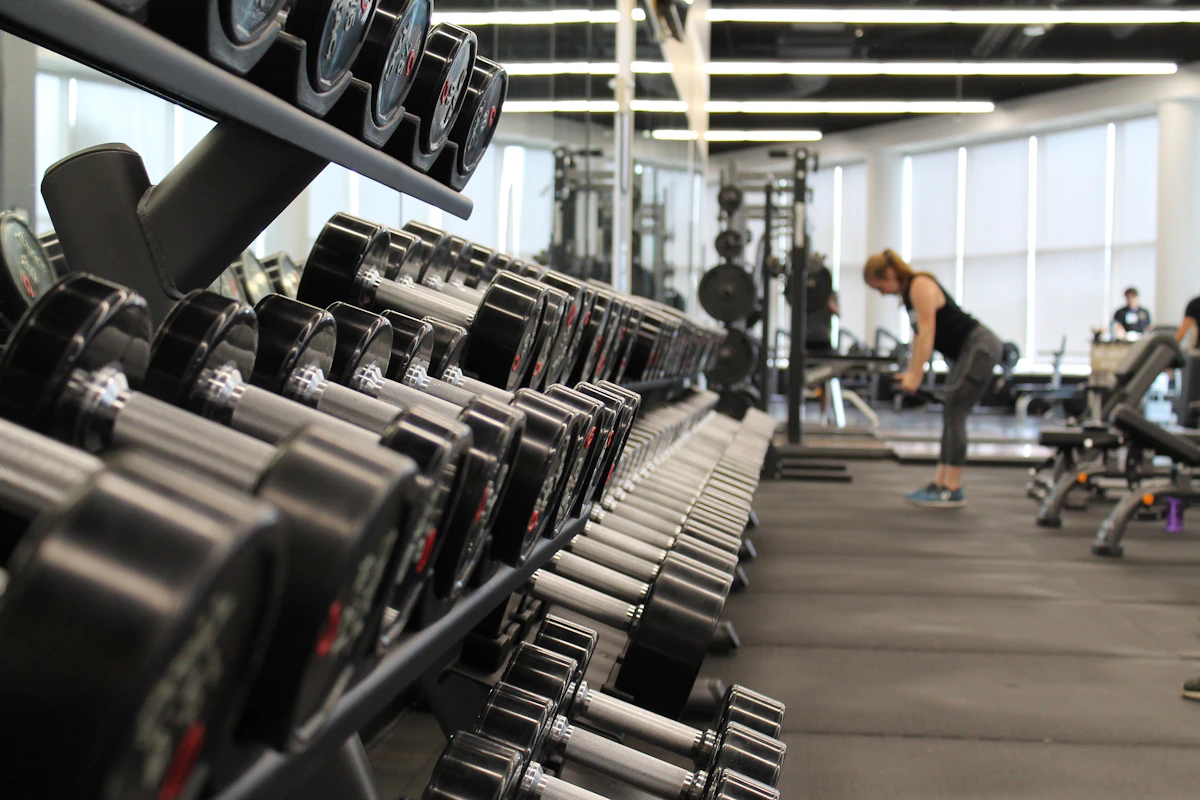
Key Takeaways: The most practical home gym gear list starts with adjustable dumbbells, an Olympic barbell and plates, a rack, and a solid bench. From there, the best additions are the ones that improve versatility, safety, recovery, and space efficiency. For retailers and distributors, the strongest assortments combine performance essentials with bundle-ready accessories and realistic home-use positioning.
Home gym demand keeps getting sharper. Buyers are no longer asking only, “What equipment should I buy?” They are asking, “What equipment will actually get used, fit the room, and still feel worth the money six months later?” That is the right question. The best weightlifting gear is not just powerful. It is durable, versatile, and compatible with the way people actually train at home.
Why the right home gym gear matters more than ever
The shift toward home training is no longer just about convenience. It is about control. Users want freedom over schedule, privacy, long-term cost efficiency, and a setup that reflects their own goals instead of a shared commercial gym environment. That means every product needs to justify itself through usefulness, not hype.
From a buyer psychology angle, the strongest home gym categories usually meet several layers of motivation at once. They support health and safety through controlled training, confidence through visible progress, and self-improvement through repeatable strength work. That is why well-chosen gear creates better adherence than trend-driven gear.
How to choose gear that fits real home gym use
Before looking at the top 10 list, it helps to think in categories rather than isolated products. Good home gym buying is not about collecting equipment. It is about building capability. The smartest purchases usually score well in four areas: versatility, space efficiency, durability, and progression.
| Selection Factor | What It Means | Why It Matters |
|---|---|---|
| Versatility | Supports multiple exercises or training styles | Improves value per square foot and per dollar spent |
| Durability | Handles repeated use without early wear or instability | Reduces replacement risk and protects long-term satisfaction |
| Space efficiency | Fits practical home layouts without excessive clutter | Critical for apartments, spare rooms, and mixed-use spaces |
| Progression potential | Grows with the user’s strength and training goals | Prevents early obsolescence and supports better retention |
Market insight: In first-hand sourcing discussions, buyers increasingly care about how equipment looks and lives in a room, not just how much it can hold. Finish consistency, storage logic, noise control, and cleaner packaging all matter more than they did a few years ago.
The top 10 weightlifting gear essentials for home gyms
These categories consistently deliver the strongest value for home gym buyers and the clearest commercial logic for retailers and distributors.
- Adjustable dumbbells: One of the best space-saving investments because they replace multiple fixed pairs and support a wide range of strength work.
- Olympic barbell and weight plates: The core of serious strength training and one of the most scalable setups for long-term progression.
- Power rack or squat rack: Essential for safer barbell work, especially for solo home training.
- Adjustable or flat weight bench: Expands pressing, rowing, and general accessory training without taking excessive space.
- Kettlebells: Strong for dynamic strength, conditioning, carries, and functional work.
- Resistance bands: Low-cost, low-space, and highly useful for warm-ups, accessory work, mobility, and assistance drills.
- Flooring and mats: Often overlooked, but essential for safety, equipment protection, noise control, and better room finish.
- Storage solutions: Plate trees, dumbbell racks, and wall storage improve both safety and the overall user experience.
- Lifting accessories: Collars, straps, belts, and chalk-related products help complete a serious training system.
- Recovery tools: Foam rollers, massage balls, and mobility tools support longevity, which makes the whole gym more usable over time.
Which products create the strongest training foundation first
Not every buyer needs all 10 categories immediately. In most home gyms, the strongest foundation starts with adjustable dumbbells, a barbell with plates, a rack, and a bench. That combination supports a broad range of upper-body, lower-body, and full-body training with clear room for progression.
For beginners and space-conscious buyers, adjustable dumbbells and bands can cover a surprising amount of ground. For more committed lifters, the barbell-rack-bench combination usually becomes the center of the room. The right foundation depends on available space, strength level, and budget, but the commercial lesson is the same: gear that layers together tends to outperform isolated one-off products.
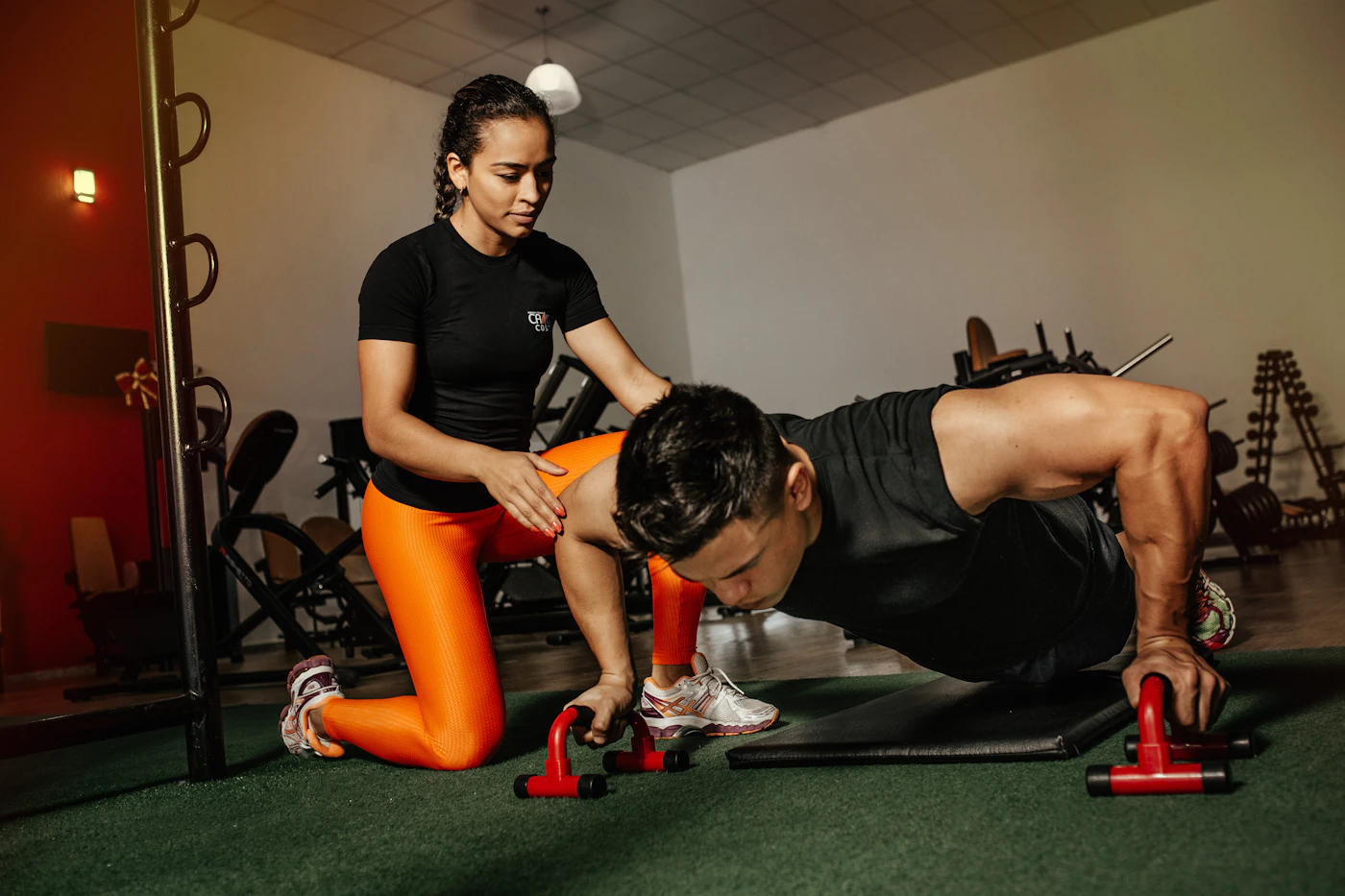
How to build around space, budget, and training goals
One of the biggest buying mistakes is treating all home gyms like they should look the same. They should not. Apartment users, spare-room users, garage conversions, and premium training studios all need different equipment mixes. This is where brands and distributors can add real value by segmenting offers around room type and training intent.
- Small-space setup: Adjustable dumbbells, bands, kettlebells, mats, and compact storage.
- Mid-tier strength setup: Barbell, plates, bench, rack, flooring, and essential accessories.
- Premium home gym: Full rack system, plate storage, multiple loading tools, recovery station, and cleaner integrated room design.
- Family-use setup: Versatile products with easy adjustment and broad training appeal.
What retailers and distributors should pay attention to
For B2B buyers, this category is not just about listing popular products. It is about building a coherent home gym story. The best assortments help the buyer understand what to buy first, what to add next, and how the products work together. That is how you improve both conversion and average order value.
In first-hand market conversations, the gear that performs best is usually not the cheapest. It is the gear that feels dependable, looks organized, and reduces buyer hesitation. That means tighter finish control, better assembly logic, stronger packaging, and product bundles that reflect actual training behavior rather than generic catalog grouping.

Why these 10 categories have lasting value
The reason these categories stay relevant is simple: they are useful. They support progression, safety, variety, and long-term adherence. They also create a stronger sense of ownership over training, which is one of the biggest reasons home gyms continue to perform as a market category. Buyers are not only purchasing equipment. They are purchasing convenience, capability, and a more permanent commitment to health.
- For home users: These 10 categories create a more complete, flexible, and motivating training environment.
- For retailers: They create natural entry points, upsell ladders, and bundle opportunities.
- For distributors and sourcing partners: They represent a durable product ecosystem with multiple margin and differentiation points.
References
1. World Health Organization (WHO), physical activity guidance supporting regular muscle-strengthening exercise as part of long-term health and functional fitness.
2. American College of Sports Medicine (ACSM), resistance training principles related to exercise progression, exercise selection, and safe structured strength development.
3. Home gym market commentary from industry demand trends, plus broader wellness reporting from organizations such as the Health & Fitness Association and McKinsey on continued consumer investment in home-based exercise and wellness products.
Building a stronger home gym product range?
We help brands, retailers, and distributors source weightlifting gear that fits real home use, stronger merchandising logic, and long-term category growth.
Request a Fitness Catalogue