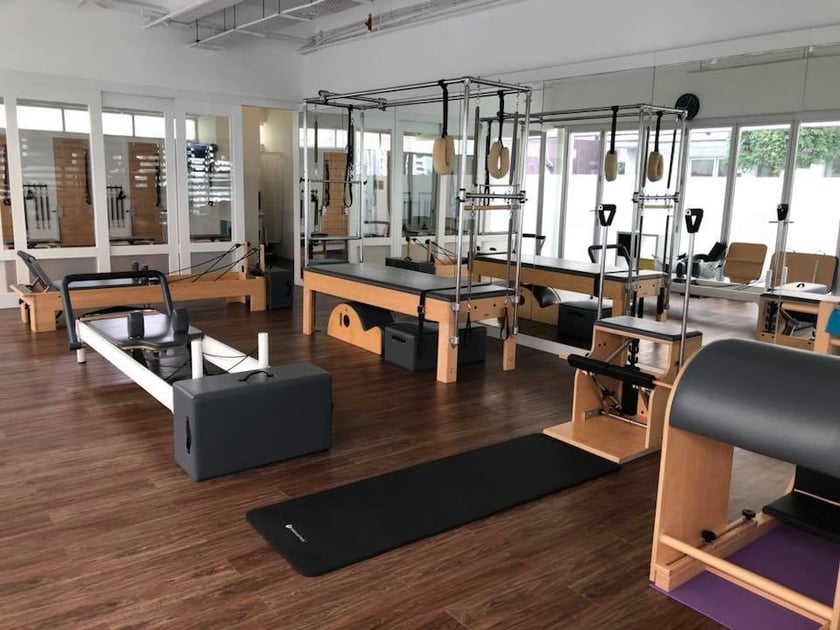
Key Takeaways: The global Pilates and yoga studio market is projected to grow from $158.43 billion (2023) to $420.98 billion by 2032 at an 11.5% CAGR. Reformer Pilates equipment commands premium price points, attracts high-repeat buyers, and is increasingly transitioning from studio-only to home gym use — creating a direct retail and wholesale opportunity. Retailers who build catalogue depth in this category now will capture margin before the mainstream catches up.
Fitness retail is cyclical — dumbbells sell every year, treadmills move in Q1, and resistance bands flood the market every time a new trend goes viral. But reformer Pilates is different. It is not a viral moment. It is a structural shift in how a growing and increasingly affluent consumer segment thinks about movement, recovery, and long-term physical investment. For gym retailers, distributors, and multi-category sporting goods buyers, this is a category worth taking seriously — and acting on before your competitors do.
The Market Numbers Are Impossible to Ignore
According to research published by Polaris Market Research and cited by GlobeNewswire, the global Pilates and yoga studios market was valued at USD 158.43 billion in 2023 and is forecast to reach USD 420.98 billion by 2032 — a compound annual growth rate of 11.5%. That is not category growth. That is category transformation. For context, that CAGR outpaces the broader gym equipment market, the sports nutrition segment, and most wearables categories in the same period.
Within this broader wave, the dedicated Pilates equipment segment — reformers, cadillacs, chairs, and barrels — is growing at an accelerated pace driven by two converging forces: rising health consciousness post-pandemic and the cultural normalization of structured low-impact training, particularly among women aged 25–45, a demographic known for strong repeat purchase behavior and high brand loyalty. Retailers who understand this buyer profile are already repositioning shelf space accordingly.
Reformer Pilates vs. Traditional Gym Equipment: A Retailer's Comparison
Not all fitness equipment is created equal from a retail margin and inventory management perspective. Reformer Pilates machines occupy a distinct commercial position compared to commodity gym equipment. Here is how the categories stack up across the metrics that matter most to buyers and category managers:
| Metric | Reformer Pilates Equipment | Traditional Gym Equipment |
|---|---|---|
| Average Retail Price Point | USD 800–3,500+ (portable to studio-grade) | USD 150–1,200 (standard home gym) |
| Gross Margin Potential | High (40–60%+ for premium SKUs) | Moderate (25–40%, compressed by volume competition) |
| Buyer Repeat Purchase Rate | High — accessories, straps, springs, mats | Low — durable goods with long replacement cycles |
| Competitive Saturation | Low-to-moderate (growing but not commoditised) | High — heavy competition, aggressive price erosion |
| Target Consumer | Affluent, brand-conscious, health-invested | Broad — high volume, lower per-unit value |
| Home Gym Adoption Rate | Rapidly increasing (post-2022 trend) | Mature — most homes already have basics |
Industry Insight: In our sourcing conversations with manufacturers across Southeast Asia and China, we have seen a marked increase in MOQ inquiries specifically for portable and foldable reformer designs since early 2024. Buyers are not just exploring — they are placing stocking orders. The lead time compression on tooling and production slots signals that early movers in this category are already locking in supply chain advantage. If you are waiting for the trend to fully mature before sourcing, you are likely waiting until margin compression has already arrived.
Three Product Categories Worth Stocking Right Now
Not every retailer needs to go deep on studio-grade reformers on day one. The smartest entry into this category is tiered, matching SKU depth to your existing buyer profile and floor or catalogue footprint. These three subcategories represent the clearest near-term commercial opportunity:
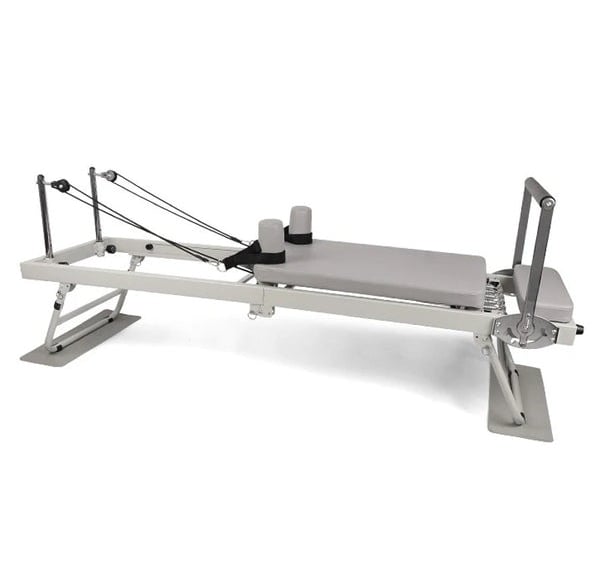
- Portable and foldable reformers — The fastest-growing sub-segment. Compact enough for home gym use, versatile enough to replicate most studio exercises. These move well in both e-commerce and showroom environments, especially when paired with demonstration content. Target buyers are home gym investors who want professional-grade results without the studio subscription cost.
- Studio-grade reformers for gym operators and boutique studio owners — Higher ticket, lower unit volume, but significant B2B opportunity. Gym operators, physiotherapy clinics, and boutique Pilates studios are actively sourcing equipment at scale. This is a channel play that rewards retailers with trade account infrastructure and the ability to quote on multi-unit orders.
- Reformer accessories and consumables — Springs, loops, straps, reformer boxes, padded headrests, and non-slip mats represent the repeat-purchase engine of this category. Once a customer owns a reformer, they return for accessories regularly. This is where lifetime customer value compounds, and where smart retailers build the margin story beyond the initial hardware sale.
- Pilates chairs and complementary apparatus — For retailers looking to build genuine category authority rather than just a single hero product, Wunda chairs and stability barrels round out a credible offering and attract more serious practitioners willing to invest at higher AOV levels.
The 'Pilates Girl' Cultural Shift and What It Means for Retail Positioning
Consumer culture does not move fitness markets — it accelerates them. The cultural phenomenon broadly described as the "Pilates girl" aesthetic — low-impact, high-effort, body-aware, lifestyle-integrated — has had measurable commercial consequences across fitness, apparel, and wellness retail. Searches for reformer Pilates content, at-home reformer setups, and Pilates equipment reviews have grown significantly across TikTok, YouTube, and Pinterest since 2022. This is not boutique gym culture confined to major cities. It is a widespread consumer aspiration anchored in genuine health benefits that clinical research consistently validates: improved core strength, posture correction, injury rehabilitation, and sustainable long-term mobility.
How Retailers Should Build a Reformer Pilates Buying Strategy
Entering a new equipment category requires more than adding a SKU. For retailers and distributors looking to build a sustainable, margin-positive position in reformer Pilates, the following phased approach reflects what experienced fitness buyers actually do when entering a high-growth, evolving product category:
- Audit your current buyer profile — Identify what percentage of your existing customer base is already buying Pilates accessories, yoga equipment, or low-impact fitness tools. This is your natural expansion audience. They are already primed for reformer consideration and represent the path of least resistance for initial sell-through.
- Start with a portable reformer hero SKU — Rather than overcommitting to a wide range, select one strong portable reformer at a mid-range price point ($800–1,400 retail) and build depth around it with accessories. This limits inventory risk while establishing category presence and generating real-world sales data.
- Establish trade and B2B pricing tiers — Boutique studios, physiotherapy practices, and gym operators represent a significant B2B revenue stream for reformer equipment. Build a wholesale pricing tier that makes sense for multi-unit orders and position your business as a credible trade supplier, not just a consumer retailer.
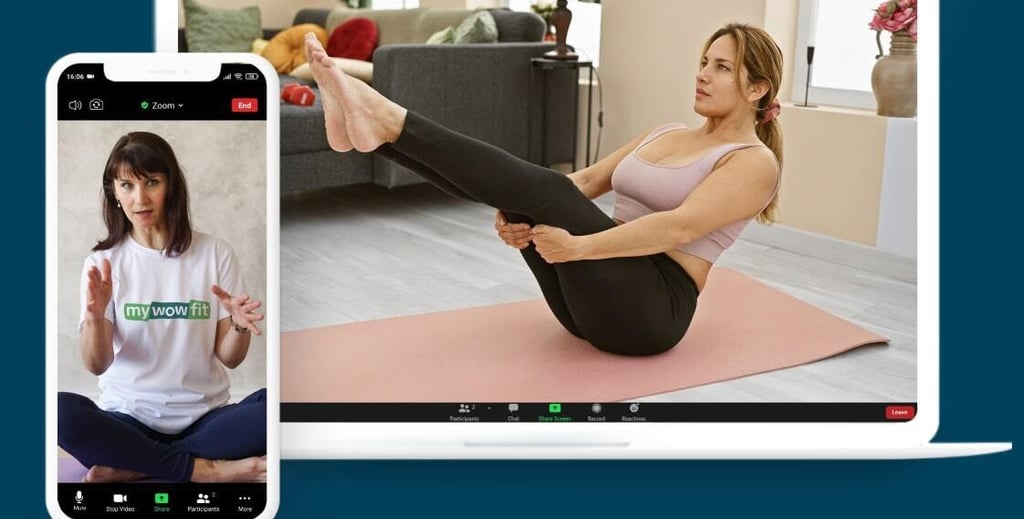
- Leverage digital content to drive in-store and online conversion — Reformer Pilates is a visual, demonstration-driven category. Buyers want to see the equipment in use before committing. Partner with local Pilates instructors for in-store demo events, invest in short-form video content, and ensure your product pages include setup guides and exercise demonstrations.
Why the Window of Opportunity Is Now
Markets do not reward hesitation. The reformer Pilates equipment category sits at a specific inflection point that experienced retail buyers will recognise: past the early adopter fringe, but ahead of full mainstream commoditisation. The brands that establish supply chain relationships, catalogue depth, and customer loyalty in the next 12–24 months will enjoy structurally better margins than those who enter the category once it has fully normalised into every competitor's range.
- Supply chain advantage — Factory lead times for quality reformers are tightening. Early buyers are locking in better terms, preferred production slots, and stronger OEM flexibility before demand fully outstrips manufacturing capacity in key sourcing markets.
- Search and digital authority — Retailers who publish strong content, build backlinks, and establish SEO presence in the reformer Pilates category now will dominate organic discovery when search volume peaks. This is a compounding asset that latecomers cannot buy overnight.
- Buyer loyalty in a sticky category — A customer who buys their first reformer from you and has a great experience will return for accessories, upgrades, and ancillary equipment. Reformer Pilates buyers exhibit above-average lifetime value and are vocal recommenders within their social networks — exactly the customer profile every retailer wants to acquire.
References
1. Polaris Market Research (via GlobeNewswire, 2024): The global Pilates and yoga studios market was valued at USD 158.43 billion in 2023 and is projected to reach USD 420.98 billion by 2032 at a CAGR of 11.50%. This data is cited as the primary market sizing reference throughout this article.
2. Fitness on Demand 247 (2024): The digital fitness industry in the United States was projected to reach a market size of USD 20.87 billion in 2024, reflecting sustained consumer appetite for virtual workout platforms including Pilates-specific digital content, which is directly driving hardware demand for home reformer use.
3. Global Coaching Apps Market Analysis (2024): The global coaching apps market was valued at approximately USD 7 billion in 2024 and is projected to grow at a 16% CAGR, reaching USD 25 billion by 2032. The intersection of virtual Pilates coaching and physical reformer equipment represents a convergent consumer opportunity for both hardware retailers and platform operators.
Source Reformer Pilates Equipment for Your Retail Range
MAViET SUPPLiES works with gym retailers, distributors, and boutique studio operators to source high-quality Pilates equipment at wholesale pricing. Whether you need a single hero SKU or a full reformer catalogue, we can help you build a competitive, margin-positive offering.
Request Our Fitness Catalogue →