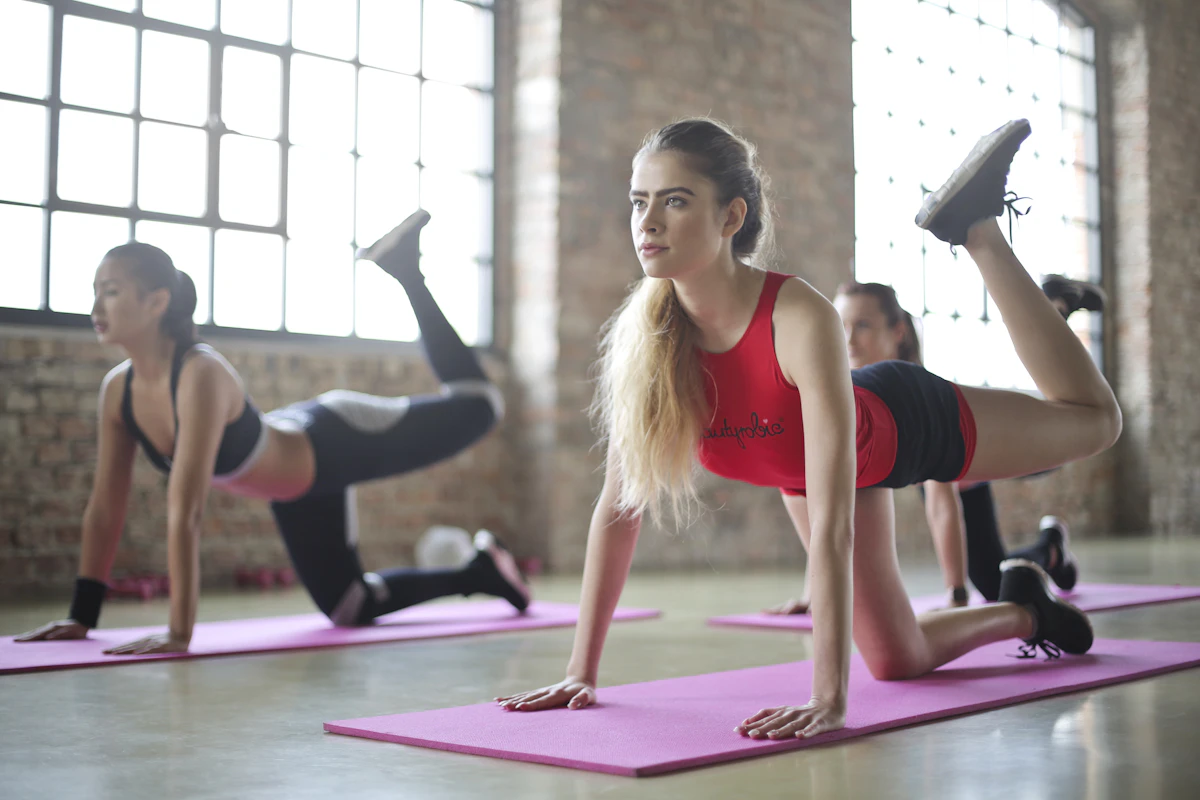
Key Takeaways: Pilates is gaining real momentum in home fitness because it answers three things consumers now care about most: joint-friendly movement, visible posture and core benefits, and equipment that fits modern living spaces. For retailers, distributors, and fitness brands, that makes reformers, mats, rings, bands, and compact accessories a category with both consumer pull and professional credibility.
For a while, home fitness was dominated by heavy strength equipment, connected cardio, and whatever trend had the loudest marketing budget. That phase is changing. Buyers are becoming more selective. They still want results, but now they are also looking for sustainability, recovery, joint health, and a routine they can realistically keep. That is exactly where Pilates fits. It sits at the intersection of health, discipline, and lifestyle, which is why it is quietly turning into one of the smartest home gym opportunities in the current fitness market.
Why Pilates is shifting from niche to mainstream
Pilates has moved well beyond its earlier image as a studio-only format for a narrow audience. Today it appeals to beginners, busy professionals, post-rehab users, active older adults, athletes, and consumers building balanced home gyms. That broad appeal matters. Categories grow faster when they stop depending on one identity and start serving multiple use cases.
From a market standpoint, Pilates also aligns with deeper consumer motivations. At the base level, it supports safety and physical wellbeing through lower-impact training. At the next level, it supports confidence and body awareness through posture, control, and strength. For advanced users, it supports mastery because progress in Pilates is skill-based, not just intensity-based. In plain terms, it feels practical, aspirational, and repeatable at the same time.
What is driving demand in the home Pilates category
The demand shift is being pushed by several forces at once: studio exposure, post-pandemic habit changes, smaller living spaces, and a strong consumer move toward functional fitness. We have seen first-hand that buyers are no longer asking only for “home gym equipment.” They are asking sharper questions about floor footprint, foldability, material durability, quiet glide systems, and whether the product feels premium enough to justify a higher retail price. That is a sign of a category maturing, not fading.
| Demand Driver | What Buyers Want | Commercial Impact |
|---|---|---|
| Low-impact training | Joint-friendly movement, core strength, posture support, long-term consistency | Stronger appeal across age groups and repeat-use households |
| Space-efficient home gyms | Compact reformers, foldable frames, clean aesthetics, quiet operation | Better fit for urban apartments and premium DTC positioning |
| Studio-to-home migration | Professional feel at home without recurring class fees or scheduling limits | Higher-ticket product opportunity with accessory upsell potential |
Industry observation: In sourcing discussions, the strongest Pilates inquiries are no longer just about entry-level mats. Buyers increasingly want reformers with cleaner weld quality, quieter pulley systems, smoother carriage travel, and packaging that protects long rails and wood-look finishes during export. That tells you the category is moving up the value chain.
Why Pilates works so well in a home gym environment
Home fitness succeeds when the routine is easy to start, easy to continue, and visually compatible with everyday life. Pilates performs well on all three. It does not require a loud setup, extreme floor loading, or a dedicated training room. Even where a full reformer is not practical, a home user can still build a meaningful Pilates corner with a mat, mini ball, resistance bands, ring, and small props.
- It feels approachable: Many consumers find Pilates less intimidating than heavy lifting or high-impact cardio, which lowers the barrier to purchase.
- It supports routine consistency: Sessions can be short, effective, and easier to fit into family or work schedules.
- It matches wellness-led buying: Pilates naturally connects to mobility, recovery, stress management, and body awareness.
- It looks premium in the home: A well-designed reformer or accessory set can feel like furniture-grade fitness equipment rather than industrial hardware.
How product design is changing buyer expectations
Not all Pilates products are equal, and that matters more than ever. Buyers are comparing rail stability, carriage padding, rope adjustments, wheel smoothness, upholstery finish, and how quickly a unit can be assembled or folded. In consumer channels, visual trust matters. In B2B channels, return risk matters. The brands that win will be the ones that balance design appeal with real-world durability, sensible MOQ strategy, and reliable packaging for international transit.
What retailers and distributors should do next
If you are treating Pilates as a side category, you are probably late. The smarter move is to build a layered offering that serves both entry-level buyers and premium home users. A strong assortment does not stop at one reformer SKU. It creates a ladder: accessories, bundles, mid-tier units, and premium reformer options with clear product stories and target audiences.
- Build a good-better-best range. Start with accessories and compact essentials, then offer higher-value reformers for buyers ready to invest in a studio-like setup.
- Prioritize packaging and logistics early. Pilates equipment includes long components, surface-sensitive finishes, and parts that need transit protection. Good cartons and internal structure reduce damage claims.
- Merchandise around outcomes, not only specs. Sell posture, mobility, control, recovery, and daily routine consistency. That is what moves both B2C conversion and B2B confidence.
- Use content to educate the market. Demonstration clips, setup guides, beginner bundles, and studio-to-home comparison pages help reduce hesitation around higher-ticket purchases.

Why this trend still has room to grow
Pilates is not riding one viral moment. It is benefiting from long-term shifts in how consumers define fitness value. People want equipment that supports healthy movement, reduces friction, and fits the look and rhythm of home life. That makes Pilates durable as a category. In our view, the next winners will be suppliers and brands that combine dependable sourcing, stronger visual merchandising, and equipment specifications that are built for actual home use rather than generic catalog selling.
- For consumers: Pilates offers a practical path to safer movement, strength, flexibility, and confidence at home.
- For brands: It opens a premium category with room for storytelling, bundles, and higher perceived value.
- For wholesale partners: It creates a credible growth lane tied to wellness, functional training, and long-term customer retention.
References
1. Fact.MR, global Pilates equipment market outlook, including valuation growth and long-range category expansion projections for reformers and related equipment.
2. WHO physical activity guidance and public-health recommendations highlighting the value of consistent movement, strength, mobility, and lower-barrier exercise participation.
3. McKinsey wellness market reporting and Health & Fitness Association industry insights showing continued consumer prioritization of wellness, recovery, and experience-led fitness spending.
Looking to add Pilates equipment to your product range?
From entry-level accessories to reformer-ready sourcing support, we help brands, retailers, and distributors build commercially sound fitness collections with dependable production and export coordination.
Request a Pilates Catalogue